The Return of the Multigenerational Home
For most of human history, nobody needed a name for the multigenerational home; it was simply called home. Grandparents, parents and children shared a roof, a table and the work of daily life as a matter of course. It was only in the twentieth century, in a handful of wealthy countries, that living apart became the mark of a successful family — the young couple with their own front door, the grandparents managing alone across town. Now, quietly and steadily, the pendulum is swinging back, and the three-generation household is once again becoming part of the mainstream.
Why families are moving back in together
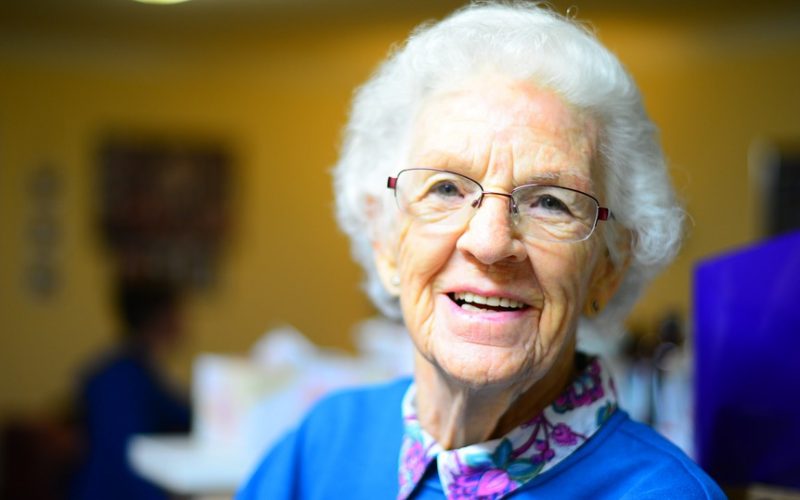
The reasons are partly demographic. Countries that fought in the Second World War now find their elderly populations approaching twenty per cent of the total, and a great many of those people are reaching the point where living alone is difficult. At the same time, housing costs squeeze the young, childcare costs squeeze the middle, and professional care costs squeeze everyone. Combining households answers several problems with one set of keys: grandparents receive daily assistance without leaving family life, parents gain help with children and bills, and a large home is used fully instead of two smaller ones being half-empty. What looks like a new trend is often simply arithmetic meeting affection.
Old wisdom from other cultures
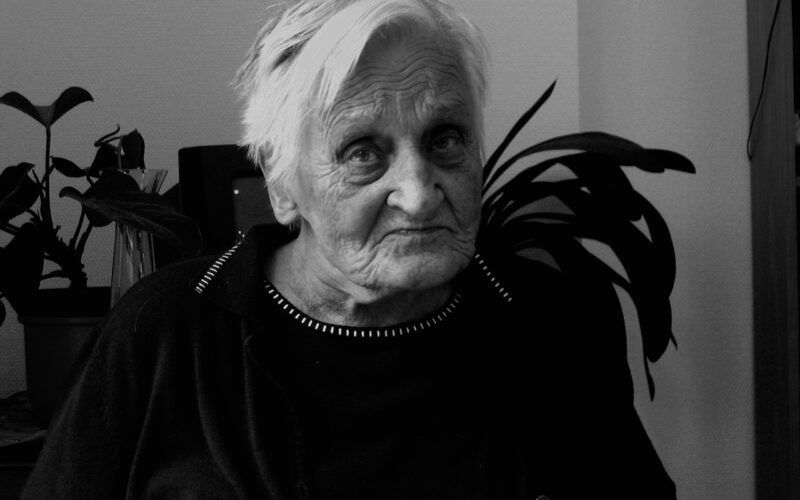
Much of the world never abandoned the arrangement in the first place. Many cultures continue to revere their elderly, looking to them for wisdom, knowledge and a living link to family history, and in these societies a grandmother at the heart of the household is not a burden accommodated but an honour received. There is something instructive in that framing. Where age is treated as a resource, the practical work of care sits inside a relationship of respect rather than obligation — and countries rediscovering the generational home are, knowingly or not, borrowing a piece of that older wisdom.
What everyone stands to gain
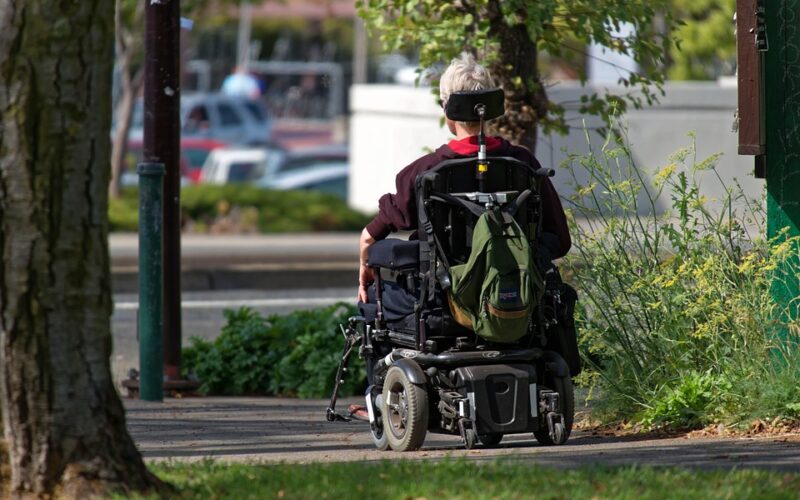
The benefits run in every direction. Elderly people living with family stay in their own world longer, with companionship on tap and help arriving before crises rather than after them. Children raised alongside grandparents absorb stories, patience and a sense of where they come from that no school can teach. The generation in between gains an extra pair of experienced hands and, often, the quiet reassurance of knowing exactly how their parent is doing rather than wondering across a distance. It helps to remember that needs differ enormously: some older relatives are in excellent health and simply enjoy the company, while others require substantial daily care. The generational home flexes to fit both, which is precisely its strength.
Making a shared home actually work
Affection alone does not run a household; a little design does. Successful families build in privacy from the start — a granny annexe, a separate sitting room, or at minimum an understood right to a closed door — because togetherness chosen daily is pleasant and togetherness enforced hourly is not. Money deserves an open conversation early, covering who contributes what, before resentment can compose its own version. Roles should be agreed rather than assumed, so the grandmother who loves collecting the children from school is not also silently expected to become the housekeeper. And needs must be reviewed honestly as they change. Some conditions eventually ask more than any family can give, and recognising when professional or full-time care has become the kinder option is not a failure of the arrangement — it is part of caring done well.
The multigenerational home will not suit every family, and it was never a paradise in its first incarnation either. But as populations age and the old promise of everyone thriving behind separate front doors wears thin, the oldest housing arrangement in the world is proving it still has something to offer: fuller houses, watched-over elders, children rich in stories and the daily, unglamorous closeness that families are made of.