Understanding Ageing Ailments
Ageing is a natural and inevitable part of life, bringing with it a wealth of experience and wisdom. However, it also brings physical changes that can present new challenges to our health and well-being. From the creak in our joints to the struggle to hear a quiet conversation, these shifts can affect our quality of life.
Understanding these common ailments is not about fearing the future; it is about empowering ourselves with knowledge. By recognising the changes in our bodies, we can adopt strategies to manage them effectively, allowing us to maintain our independence, vitality, and enjoyment of life for many years to come.
The Importance of Fitness and Joint Health
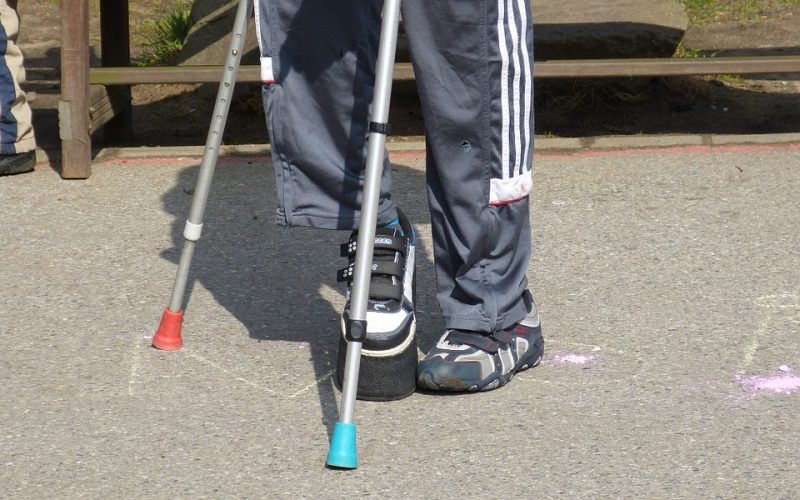
As we get older, maintaining physical fitness becomes more crucial than ever. Regular activity helps preserve muscle mass, bone density, and cardiovascular health, which are all essential for mobility and independence. However, ageing often brings challenges to our joints, with arthritis being one of the most common complaints. Arthritis causes inflammation and stiffness in the joints, making movement painful and difficult.
Whether it is osteoarthritis from wear and tear or rheumatoid arthritis, an autoimmune condition, the impact on daily life can be significant. Gentle, low-impact exercises like swimming, walking, and yoga can help manage symptoms by improving flexibility, strengthening the muscles that support the joints, and reducing stiffness without putting excess strain on them.
Keeping a Clear View: Eyesight and Ageing
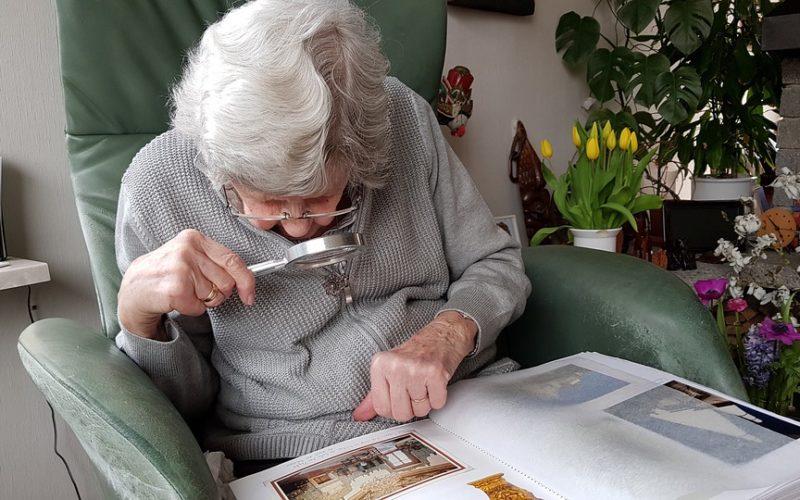
Our eyesight is another sense that frequently changes with age. Conditions like presbyopia, the gradual loss of the eyes' ability to focus on nearby objects, are nearly universal. This is why many people need reading glasses as they enter their 40s and 50s. More serious conditions also become more prevalent, including cataracts (clouding of the lens), glaucoma (which damages the optic nerve), and age-related macular degeneration (which affects central vision).
Regular eye examinations are vital for early detection and treatment. Catching these conditions before they cause significant vision loss can often slow their progression and preserve sight, allowing individuals to continue reading, driving, and recognising the faces of their loved ones.
The Silent Challenge: Understanding, Coping with, and Managing Hearing Loss
Perhaps one of the most socially isolating challenges of ageing is the gradual decline in our hearing. To address this, we must first ask, what is hearing loss? The most common type associated with ageing is called presbycusis, a form of sensorineural hearing loss.
It results from cumulative damage over a lifetime to the delicate hair cells within the inner ear (the cochlea). These cells are responsible for translating sound vibrations into electrical signals that the brain interprets. Once these cells are damaged, they do not regenerate, leading to a permanent loss.
This decline typically affects high-frequency sounds first, which is why it becomes difficult to distinguish consonants like 's', 'f', and 'th'. This leads to the common complaint that "I can hear, but I can't understand," as speech becomes muffled and lacks clarity, especially in noisy environments like restaurants or family gatherings. The progression is often so gradual that individuals may not realise the extent of their loss for years, slowly adapting their lives around it without addressing the root cause.
Sources of Stress and Anxiety
Coping with hearing loss is a profound emotional and psychological journey. The diagnosis often brings a sense of grief for the loss of effortless communication and connection. It is common to experience denial, frustration, and anger. Social situations that were once enjoyable become sources of stress and anxiety, leading to a slow but steady withdrawal from social life.
This isolation is a significant risk factor for depression and has even been linked to accelerated cognitive decline. The first, most crucial step in coping is acceptance and the willingness to seek help. A powerful coping strategy is self-advocacy, learning to confidently inform friends, family, and colleagues about what you need to communicate effectively. This can be as simple as asking someone to face you when they speak or choosing a quieter corner in a café.
Finding a support network, whether an in-person group or an online community, can be incredibly validating. Sharing experiences with others who face the same daily struggles reduces feelings of isolation and provides a source of practical advice and emotional support.
Discreet and Powerful Devices
Fortunately, managing hearing loss today is more effective than ever. Modern hearing aids are the primary tool and are nothing short of technological marvels. They are discreet, powerful devices that can be precisely programmed to an individual's unique hearing profile.
Using advanced digital processing, they can amplify the specific frequencies a person has lost while simultaneously reducing distracting background noise. Many can connect via Bluetooth directly to smartphones and televisions, providing crystal-clear sound without interference. Beyond hearing aids, there is a range of assistive listening devices (ALDs) that can help in specific situations, such as amplified telephones or personal microphone systems for one-on-one conversations.
Management also involves communication strategies, like paying closer attention to visual cues such as lip movements and facial expressions, which can help fill in the auditory gaps. A proactive approach combining technology and strategic adaptation allows individuals to overcome communication barriers and remain fully engaged in their personal and professional lives.
A Proactive Approach to Healthy Ageing
Understanding the common ailments of ageing, from stiff joints to declining hearing is the first step toward proactive health management. It is not about surrendering to the inevitable but about taking control where we can.
By staying active, seeking regular medical check-ups for our vision and hearing, and embracing the available treatments and technologies, we can significantly mitigate the impact of these conditions. Healthy ageing is an active process, a commitment to nurturing our bodies and minds so we can continue to live vibrant, connected, and fulfilling lives, regardless of our age.