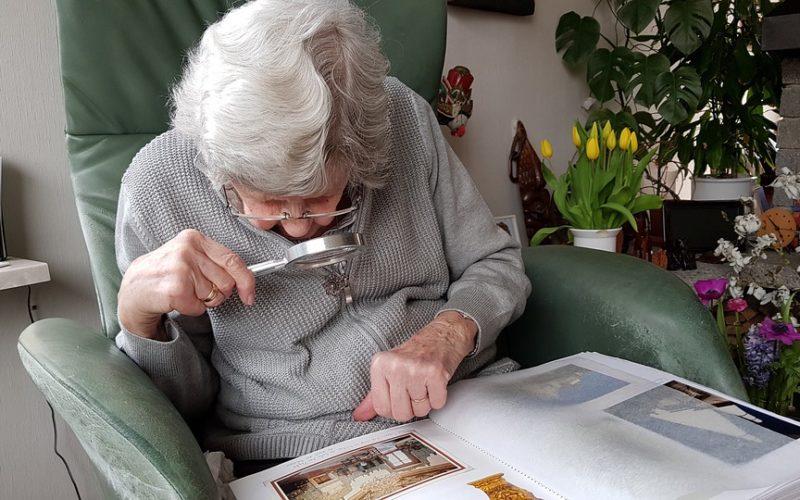
The Pain of Forgetfulness
Memory slips are a normal part of ageing. Misplacing your keys, forgetting a name mid-conversation, or blanking on why you walked into a room — these are experiences most people share. While they can be frustrating, they are rarely a cause for concern. The brain, like any other organ, changes with age, and some degree of cognitive slowing is entirely expected.
The key distinction lies in how these lapses affect daily life. Everyday forgetfulness tends to be minor and temporary. You might forget where you left your phone, but you remember it exists. You might struggle to recall a word, but it comes back to you later. These are examples of benign age-related memory changes, not signs of a serious neurological condition.
When memory loss becomes something more
Alzheimer's disease is a progressive neurological disorder that gradually destroys memory and other cognitive functions. Unlike ordinary forgetfulness, Alzheimer's affects a person's ability to carry out routine tasks, follow conversations, and recognise familiar people and places. The changes are not occasional — they are consistent, worsening, and disruptive.
One telling difference is whether the person is aware of their memory lapses. People with normal forgetfulness usually notice when they forget something and can often retrace their steps to remember it. In the early stages of Alzheimer's, individuals may be unaware of their memory problems, or they may forget entire events rather than just the details. Asking the same question multiple times within a short period, for instance, is a common early warning sign.
Early signs worth paying attention to
Recognising the early signs of Alzheimer's can make a significant difference in how the condition is managed. Beyond memory loss, early Alzheimer's can manifest as difficulty with problem-solving, confusion about dates or locations, poor judgement, and withdrawal from social activities. Mood and personality changes are also common — someone who was previously sociable may become anxious, suspicious, or withdrawn.
It is worth noting that these symptoms must represent a noticeable change from a person's previous level of functioning. A lifelong tendency to be disorganised is not the same as a sudden decline in the ability to manage finances or follow familiar routes. Context matters enormously when assessing cognitive health.
What to do if you're concerned
If you or someone close to you is experiencing memory changes that feel out of the ordinary, seeking medical advice is the right step. A GP can carry out an initial assessment and, if necessary, refer to a specialist for further evaluation. Cognitive tests, brain imaging, and blood tests are among the tools used to investigate memory concerns and rule out other treatable conditions, such as vitamin deficiencies or thyroid problems, which can also affect memory.
Early diagnosis of Alzheimer's opens the door to treatment options that may slow the progression of symptoms, as well as access to support services that can significantly improve quality of life. There is no cure at present, but timely intervention matters.
Understanding the difference can ease anxiety
For many people, every moment of forgetfulness sparks fear about what it might mean. That anxiety is understandable, but it is important not to conflate normal cognitive ageing with disease. Memory changes exist on a spectrum, and the presence of occasional forgetfulness is not, in itself, grounds for alarm.
Being informed is one of the best tools available. Knowing what separates routine memory lapses from the warning signs of Alzheimer's allows for more measured responses — neither dismissing genuine concerns nor catastrophising the everyday. If in doubt, a conversation with a healthcare professional is always the most sensible course of action.